Modern Office Design
Ideas and design styles for contemporary workplaces
Modern office design is far more than a question of aesthetics. It influences how people work, communicate and identify with an organisation. Well-designed workplaces provide orientation, support different ways of working and make a significant contribution to productivity, wellbeing and collaboration.
Especially in the context of hybrid working models, modern office design has become a strategic factor. Offices today need to be flexible, enable exchange and collaboration, while also offering spaces for focus and retreat. Thoughtful office design ensures that work environments remain functional and attractive in the long term.
Holistic office design as the foundation of modern workplaces
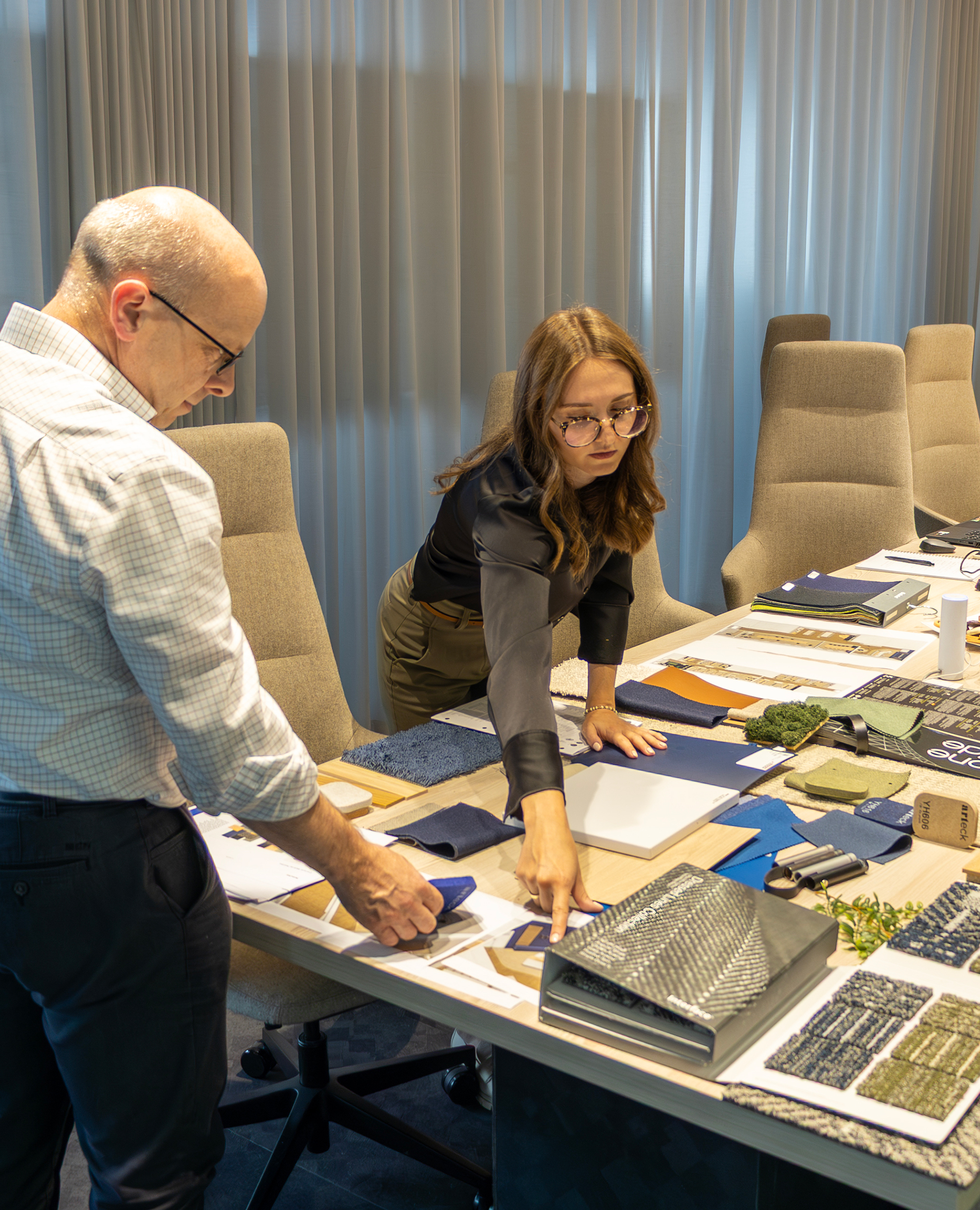
Holistic office design brings together function, aesthetics and corporate culture into a coherent overall concept. The aim is to create workplaces that meet the real demands of everyday work while remaining adaptable over time. Spatial structures, organisational processes and design aspects are considered together – from analysis and initial concept through to implementation.
This approach results in modern office design that provides clarity, supports different work styles and aligns the needs of employees with the strategic objectives of an organisation.
Office design ideas: functional and flexible
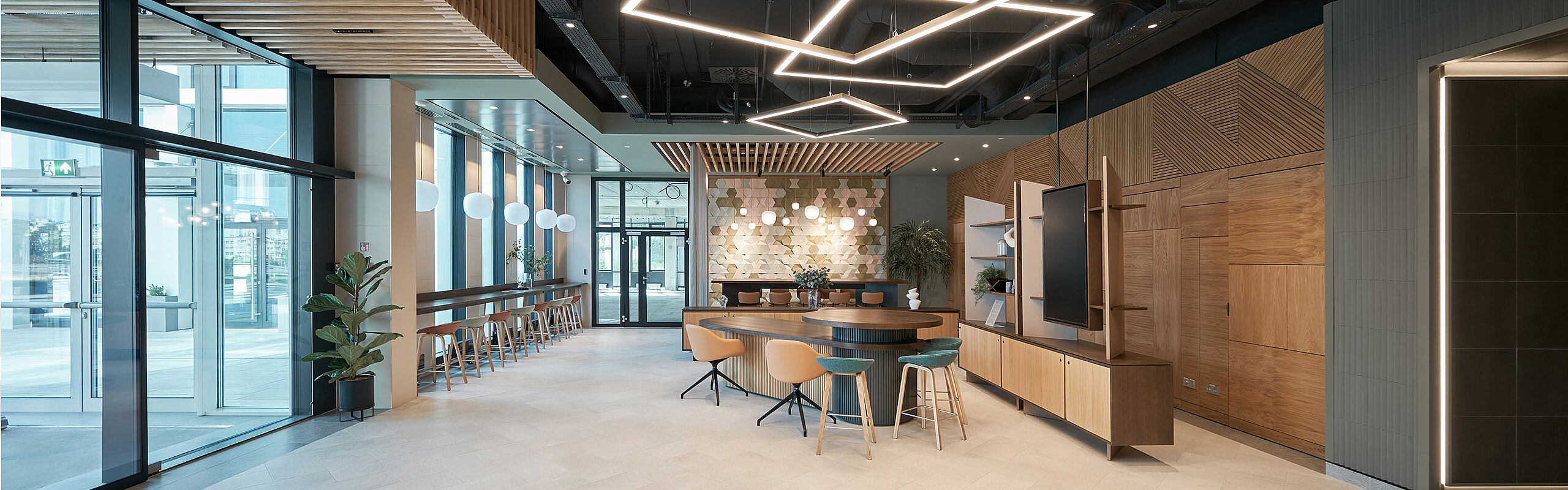
Contemporary office design is guided by actual work practices rather than short-lived trends. Modern offices offer clearly defined zones for different activities: areas for focused work, spaces for communication and collaboration, quiet zones for retreat and informal areas for exchange and creative encounters.
This functional structure enables flexibility and creates the basis for productive work. Modern office design can adapt to changing requirements and supports organisations in developing future-proof workplaces.
Design styles as a guide in modern office design
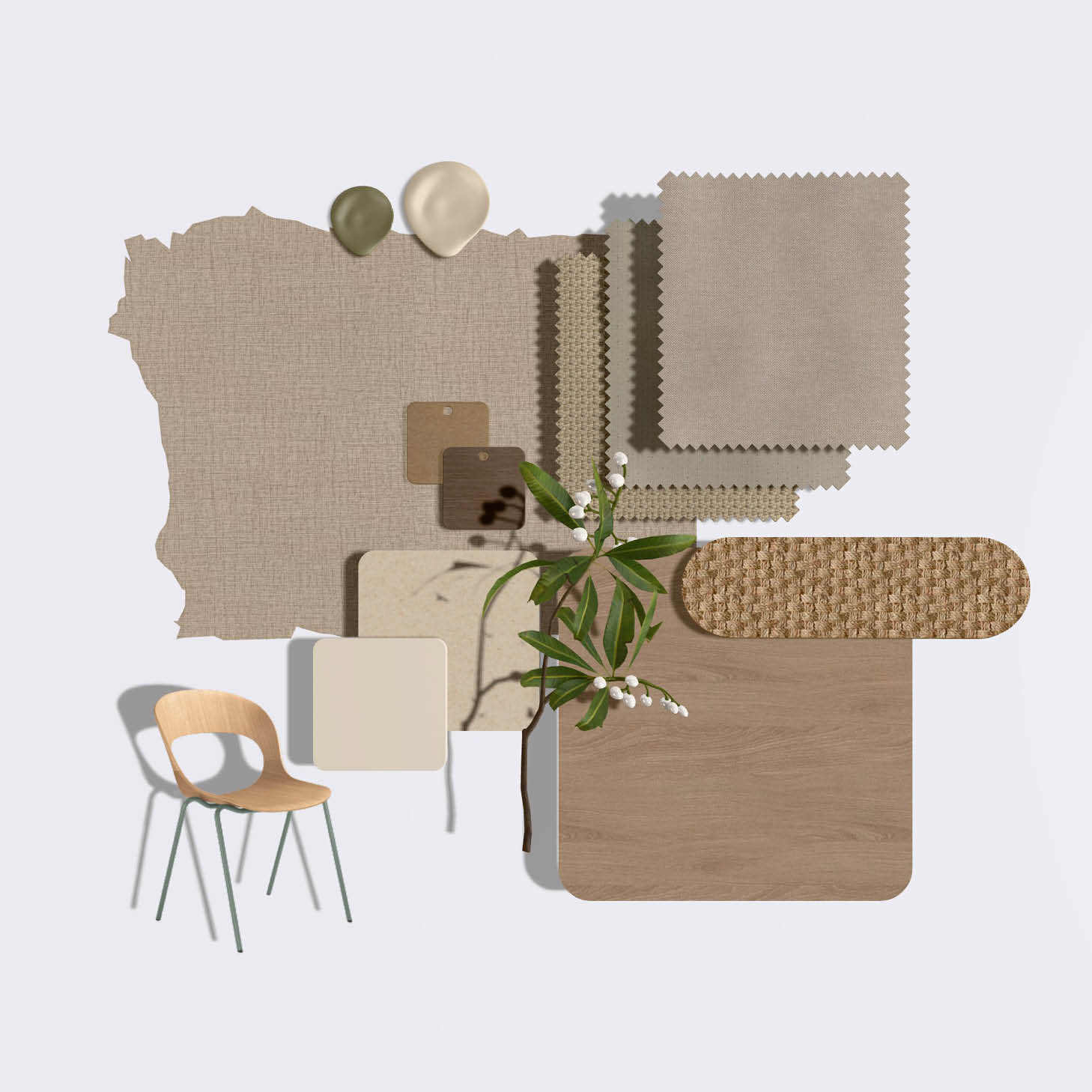
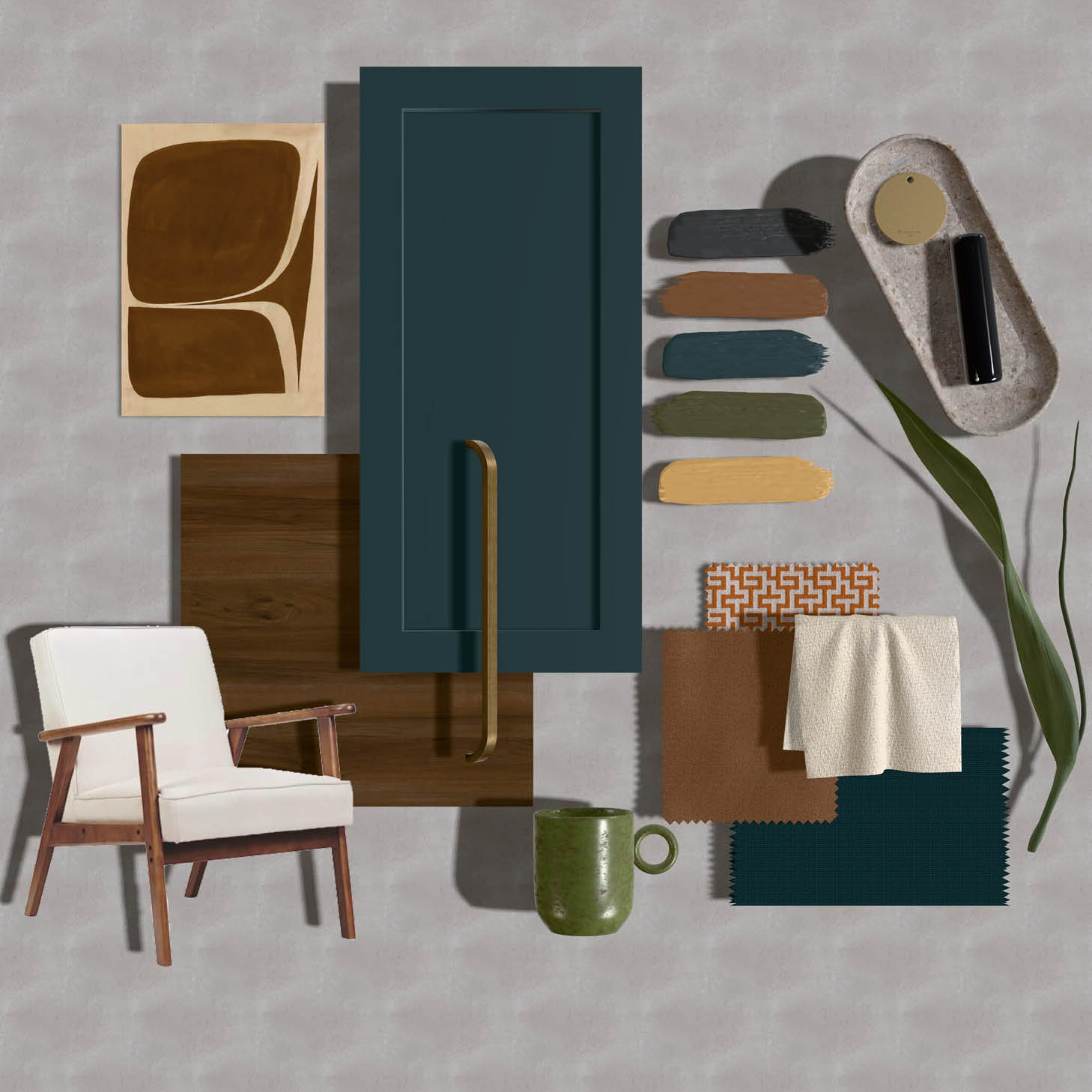
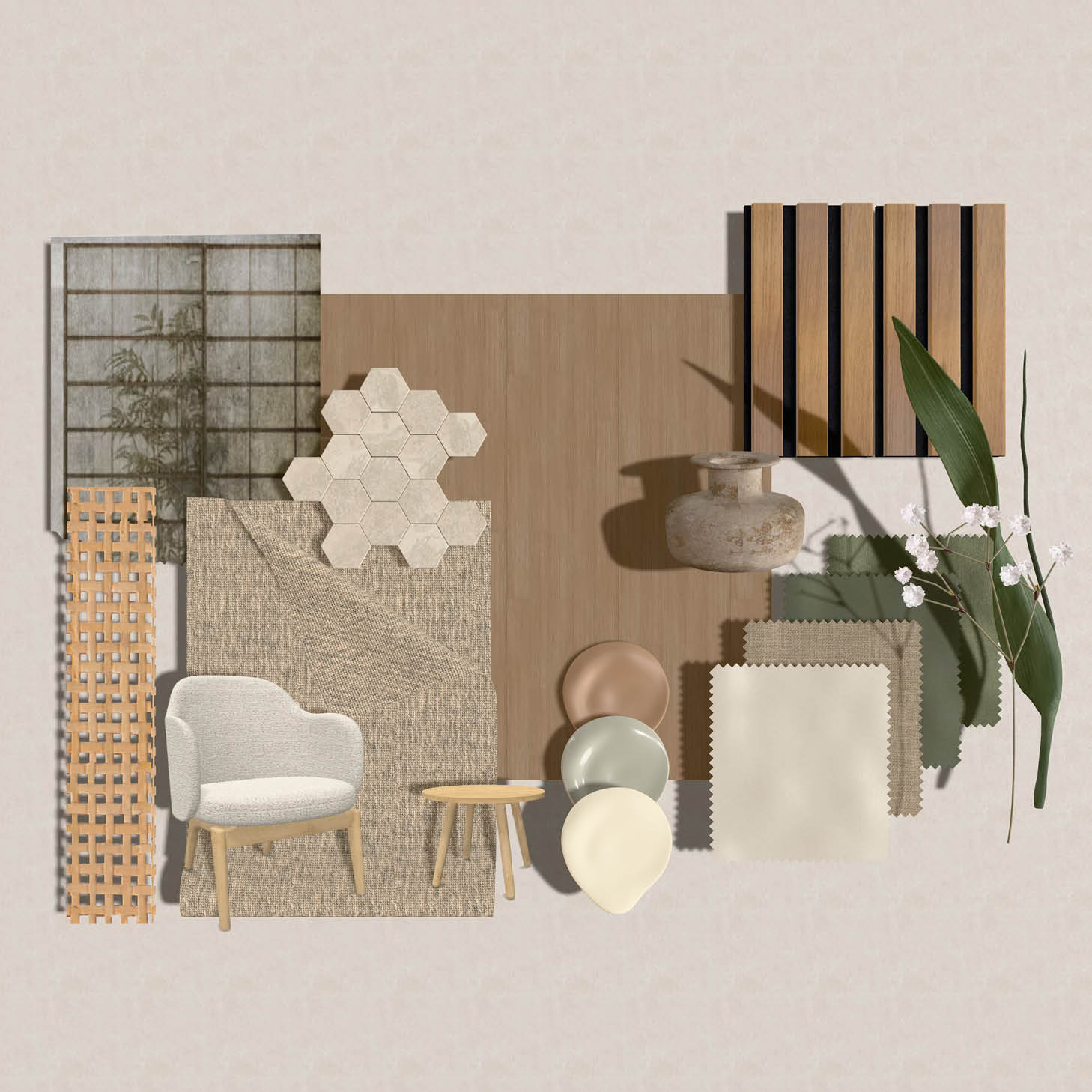
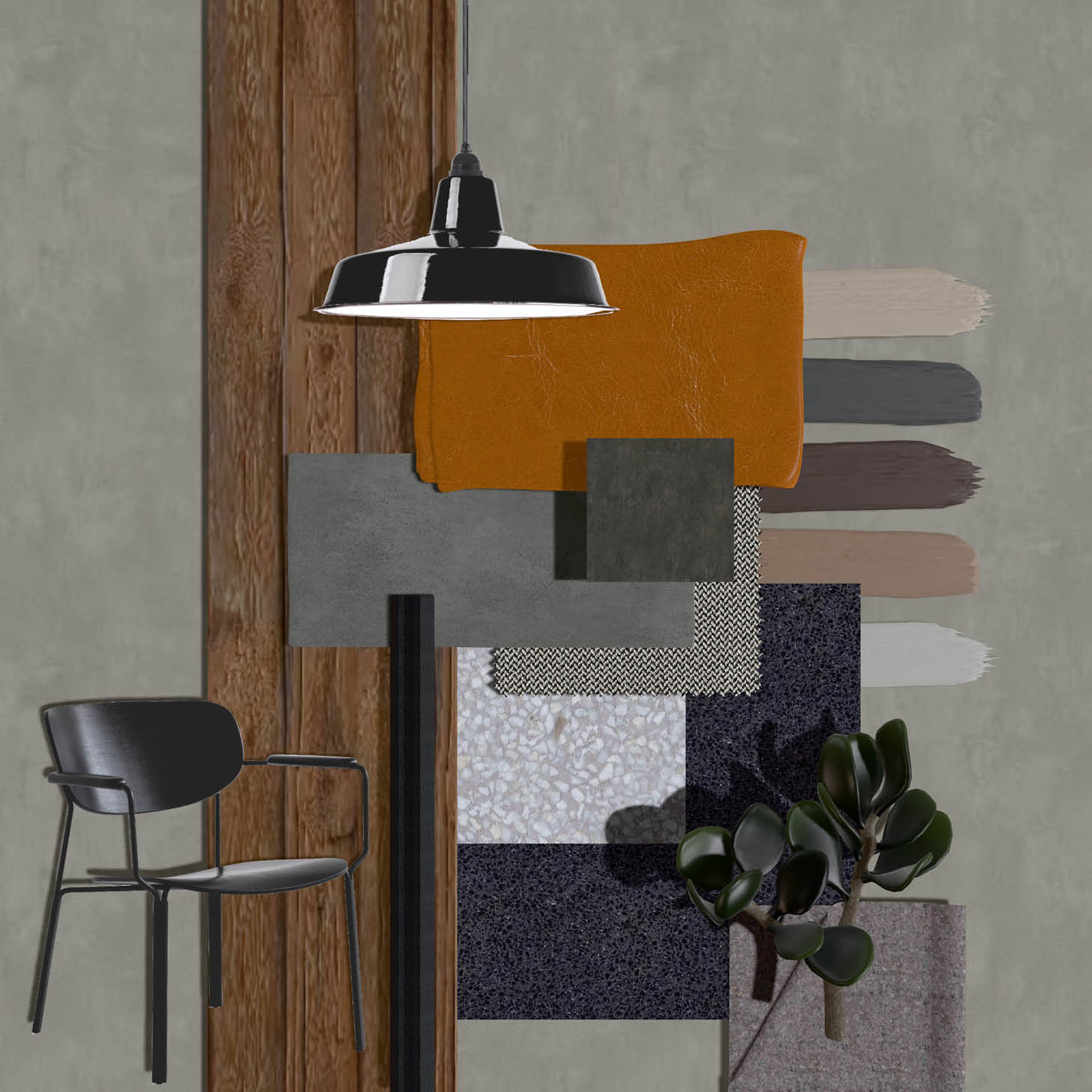
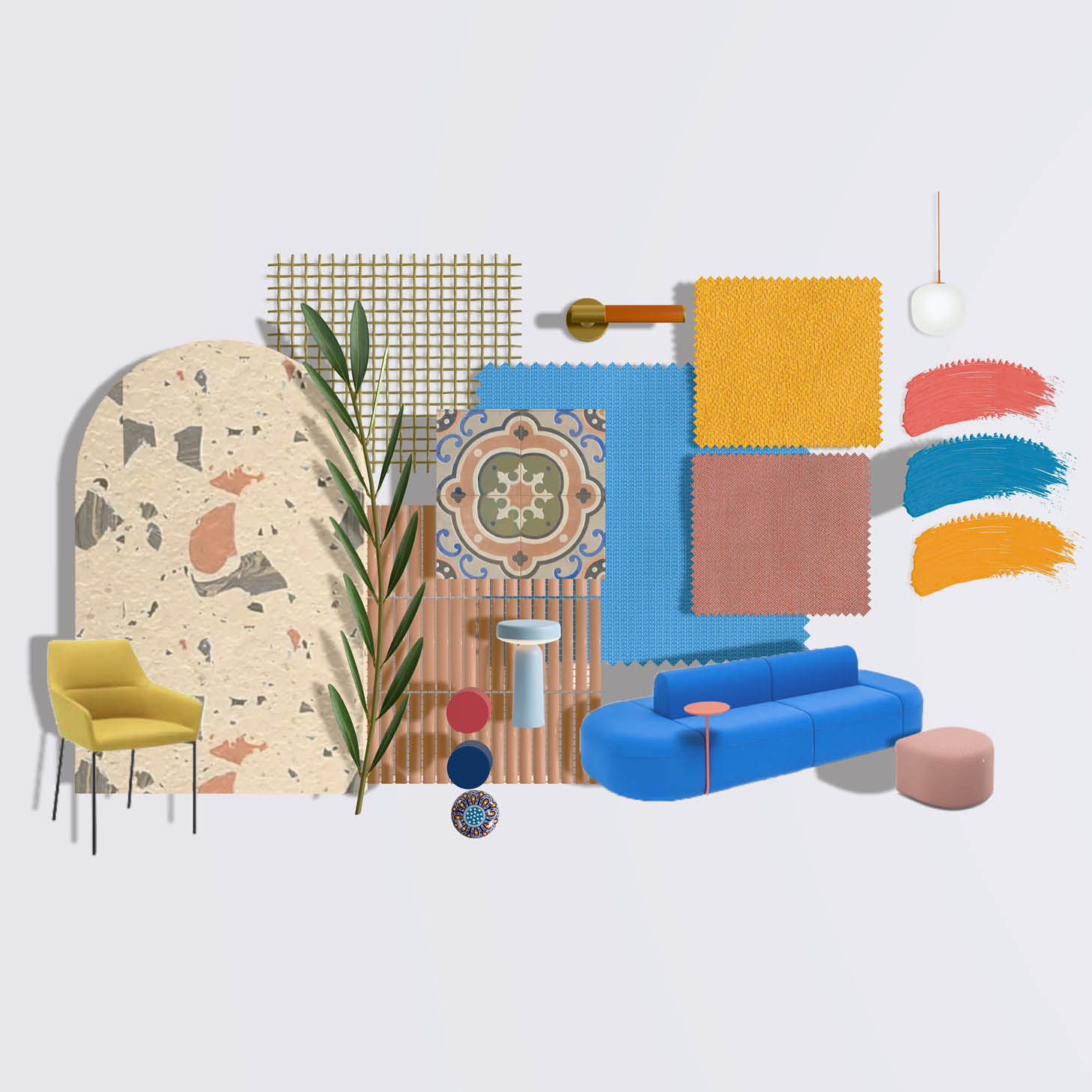
Design styles play a key role when shaping a modern office environment. Modern office design thrives on individuality and diversity. Whether Scandinavian, industrial, minimalist or creative and colourful, contemporary workplaces do not need to follow a single design style. Often, a coherent concept emerges from the deliberate combination of different design approaches.
A design style guide for office design helps to make this diversity tangible. It provides guidance in selecting suitable styles and demonstrates how different design directions can be meaningfully combined – aligned with architecture, ways of working and corporate culture.
Office design aligned with brand and identity
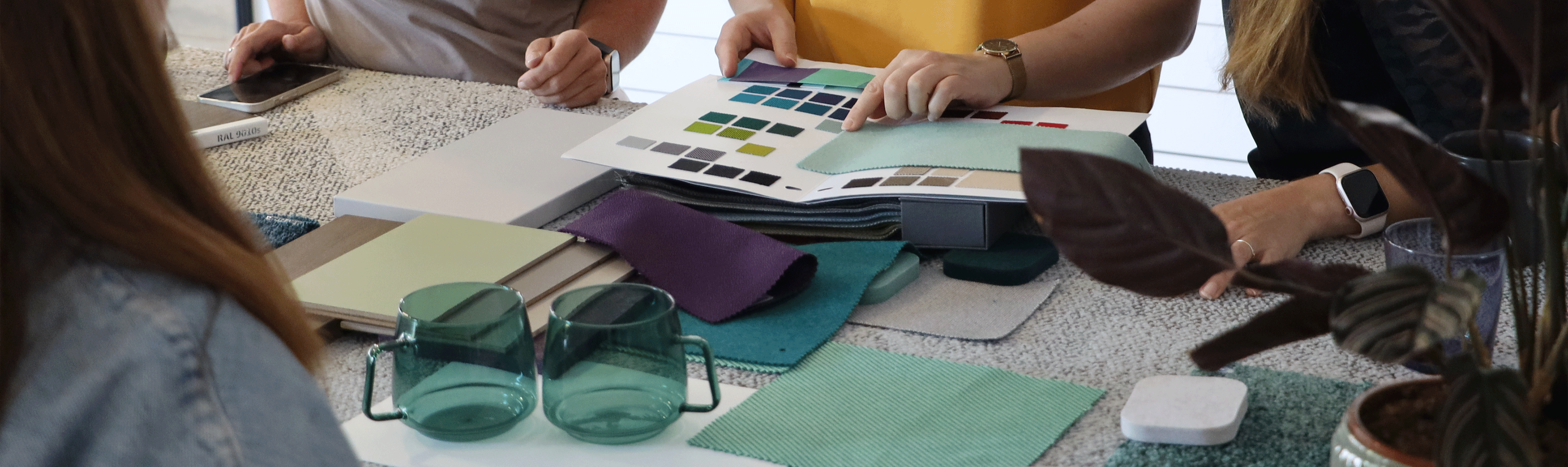
Every organisation is unique – and this should be reflected in its office design. Modern office design is also a form of spatial brand communication. Colours, materials and bespoke design elements translate corporate identity into the physical workspace.
An office design that is clearly aligned with brand values strengthens employee identification and conveys an authentic image of the organisation to visitors.
Modern office design as a long-term investment
Modern office design is not a short-term decision, but an investment in the future. Flexible space concepts, durable materials and forward-looking planning create workplaces that can evolve alongside the organisation. Strategically planned office design supports new ways of working, fosters collaboration and delivers long-term value.
Inspiration, practical examples and a range of design styles illustrate how modern office design becomes tangible in everyday work – bringing together functionality, design and corporate culture in a meaningful way.
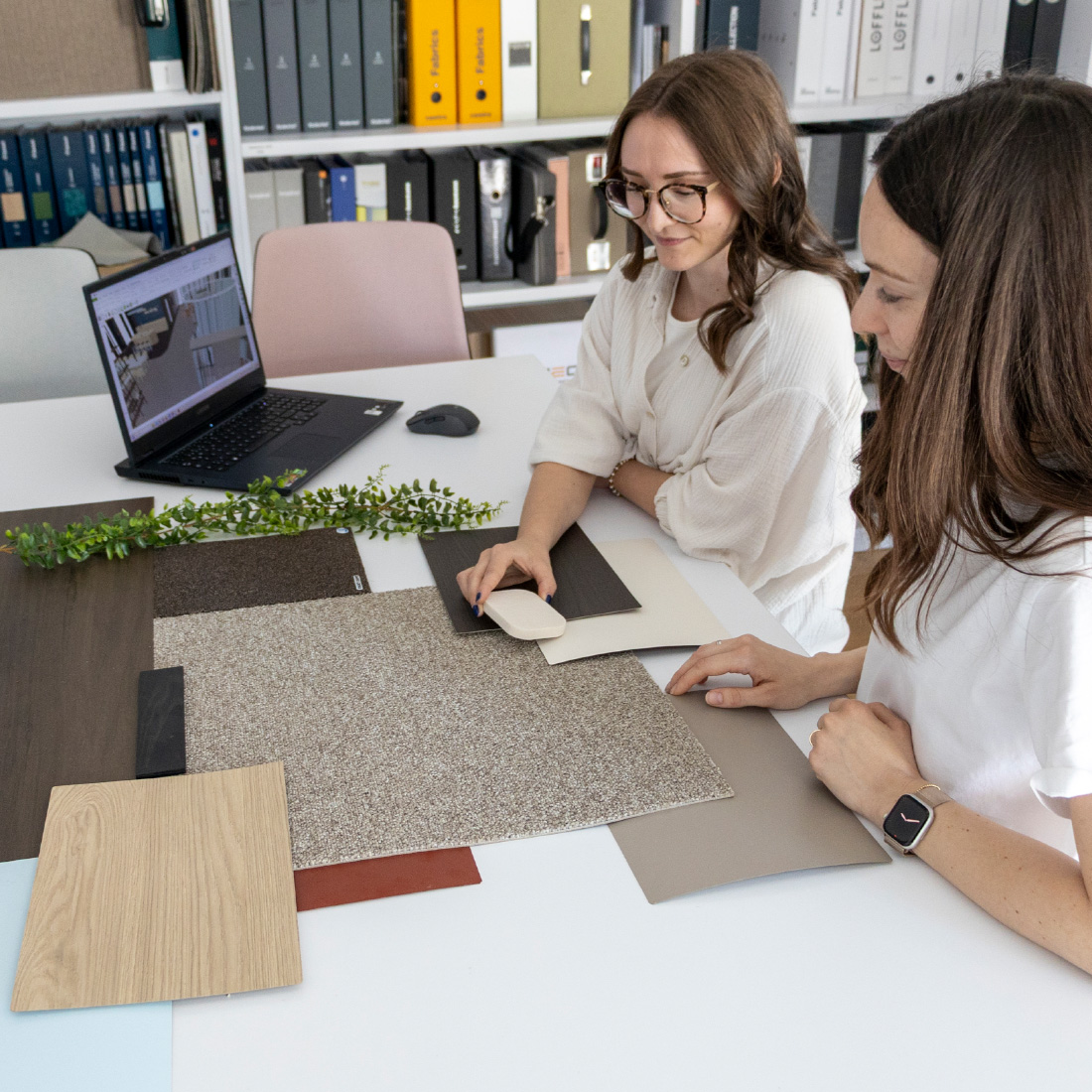
Get in touch to shape the future of your organisation together.
Let’s shape the future of your workplace together – contact us for individual consultation and joint planning. We look forward to hearing from you.
We would be delighted to assist you with your project!