Activity Based Working
The Flexible Office Concept of the Future
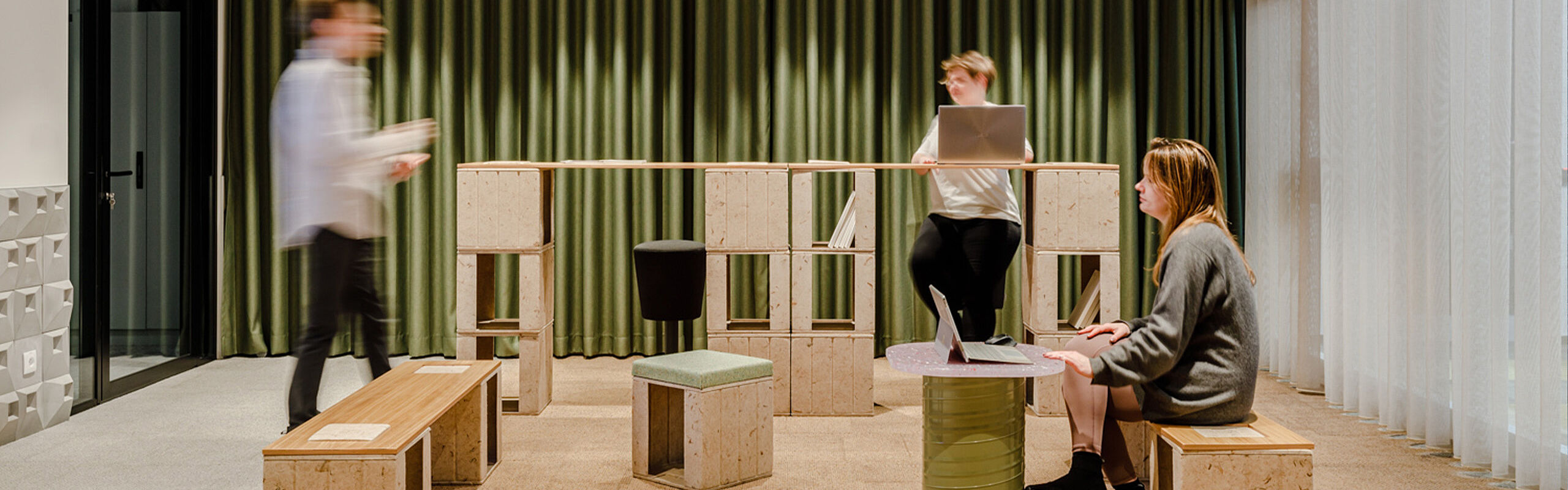
Dedicated desks are a thing of the past – Activity Based Working (ABW) relies on flexible work areas that adapt to the task at hand. Employees simply choose the space that best suits their activity. This increases productivity, encourages collaboration and optimises space utilisation. At the same time, companies benefit from more efficient structures and a modern work culture.
Definition: What Is Activity Based Working?
Activity Based Working (ABW) is an office concept that enables employees to choose their workplace freely depending on the task. Instead of fixed workstations, there are different zones – for example for focused work, meetings, creative collaboration, and social interaction. The goal is to increase flexibility and productivity by tailoring the office design to the real needs of employees. Companies that adopt Activity Based Working promote an agile corporate culture, strengthen collaboration, and improve employee well-being.
Benefits of Activity Based Working
A well-implemented ABW concept offers numerous advantages for both companies and employees:
- Higher employee satisfaction: Freedom of choice and flexible work areas allow people to be productive in ways that suit their individual needs.
- Efficient space utilisation: Office space is used optimally, vacancies are reduced, and rental costs lowered.
- Enhanced collaboration: Open spaces and informal meeting areas make it easier for teams and departments to connect.
- Health benefits: Moving between different work settings and having access to ergonomic areas increases well-being and helps prevent physical strain.
Activity Based Working: Challenges in Planning and Implementation
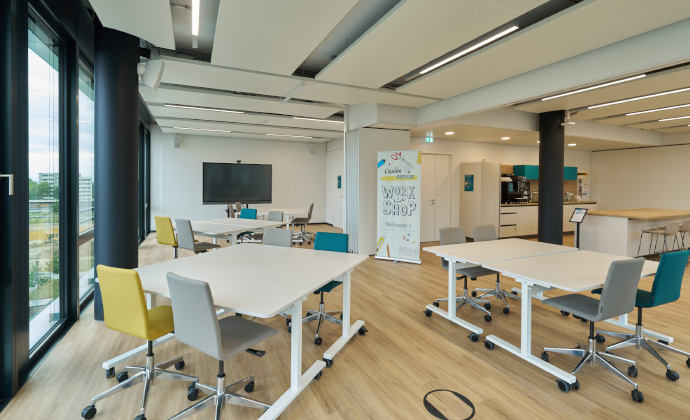
Activity-based work offers many advantages but requires strategic planning. One major aspect is changing established work habits. Not everyone is immediately enthusiastic about giving up a dedicated desk. Companies should involve their teams early and support the transition with training sessions and pilot phases.
Careful planning of work zones is essential for successfully implementing Activity Based Working. Companies should analyse how frequently various spaces are used to ensure efficient, task-based workflows.
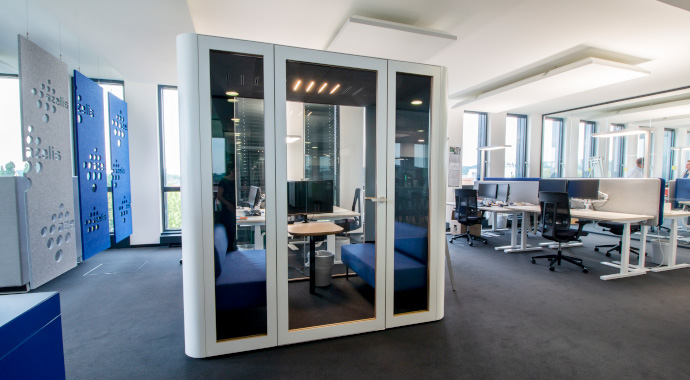
Data protection also plays an important role. Confidential conversations and documents can be safeguarded in open-plan offices using think tanks or soundproof rooms. This ensures that Activity Based Working is not only productive, but also secure.
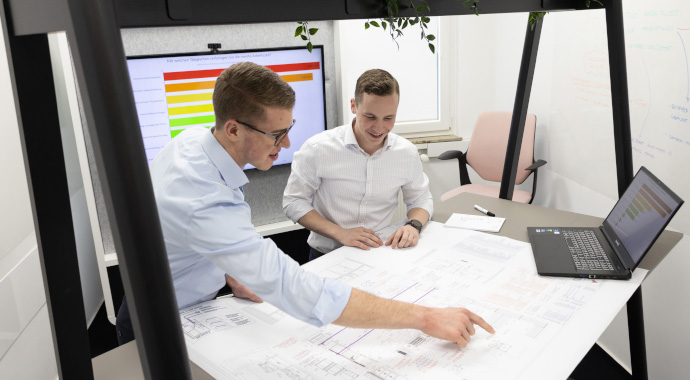
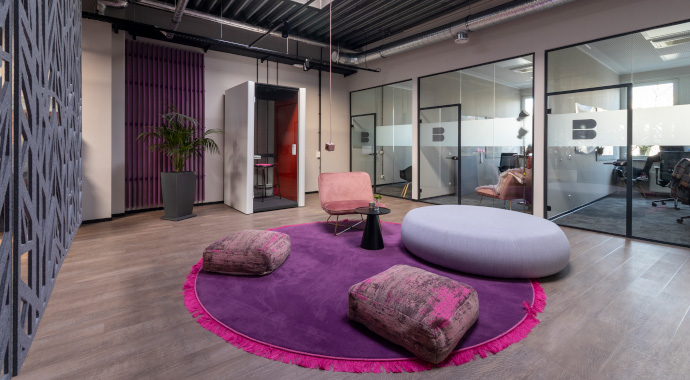
Technical infrastructure is equally important. To allow seamless transitions between workspaces, digital solutions such as cloud services and wireless communication must function reliably. Addressing these challenges early lays the foundation for successful Activity Based Working.
Different Work Zones Within an Activity Based Working Concept
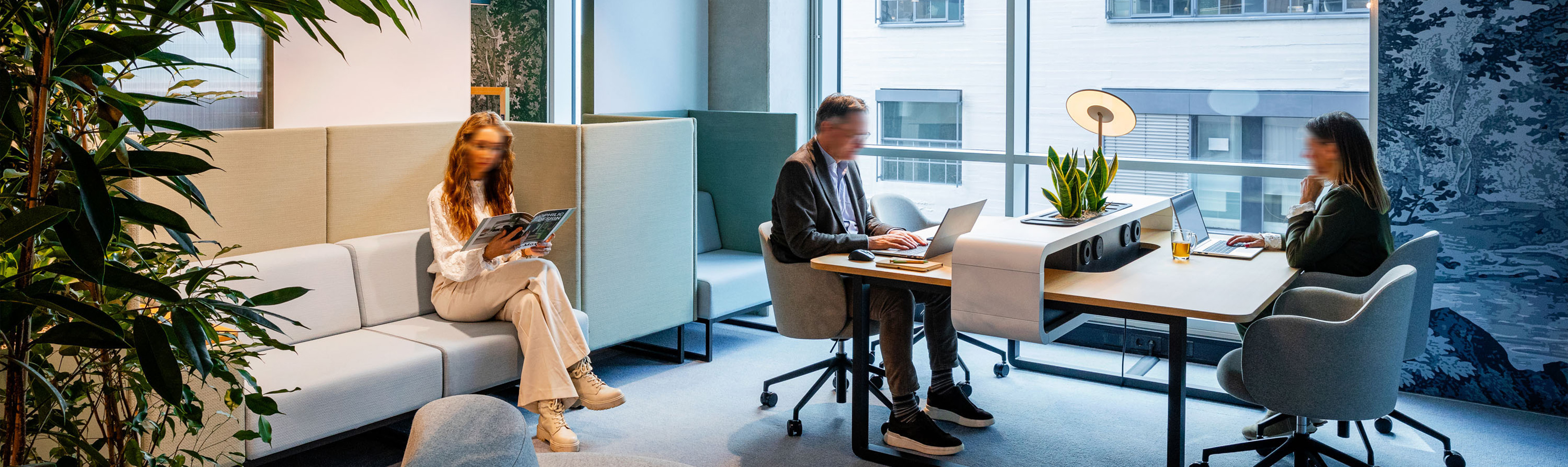
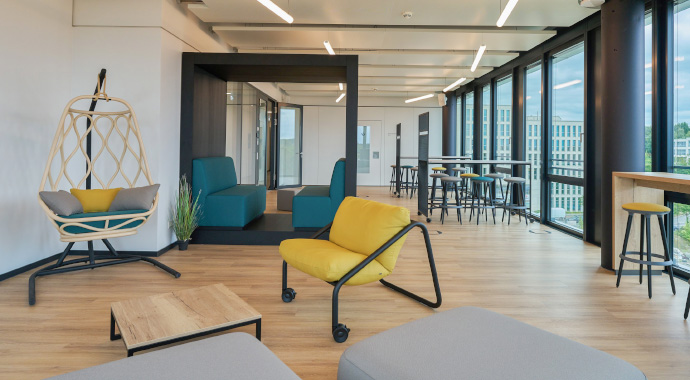
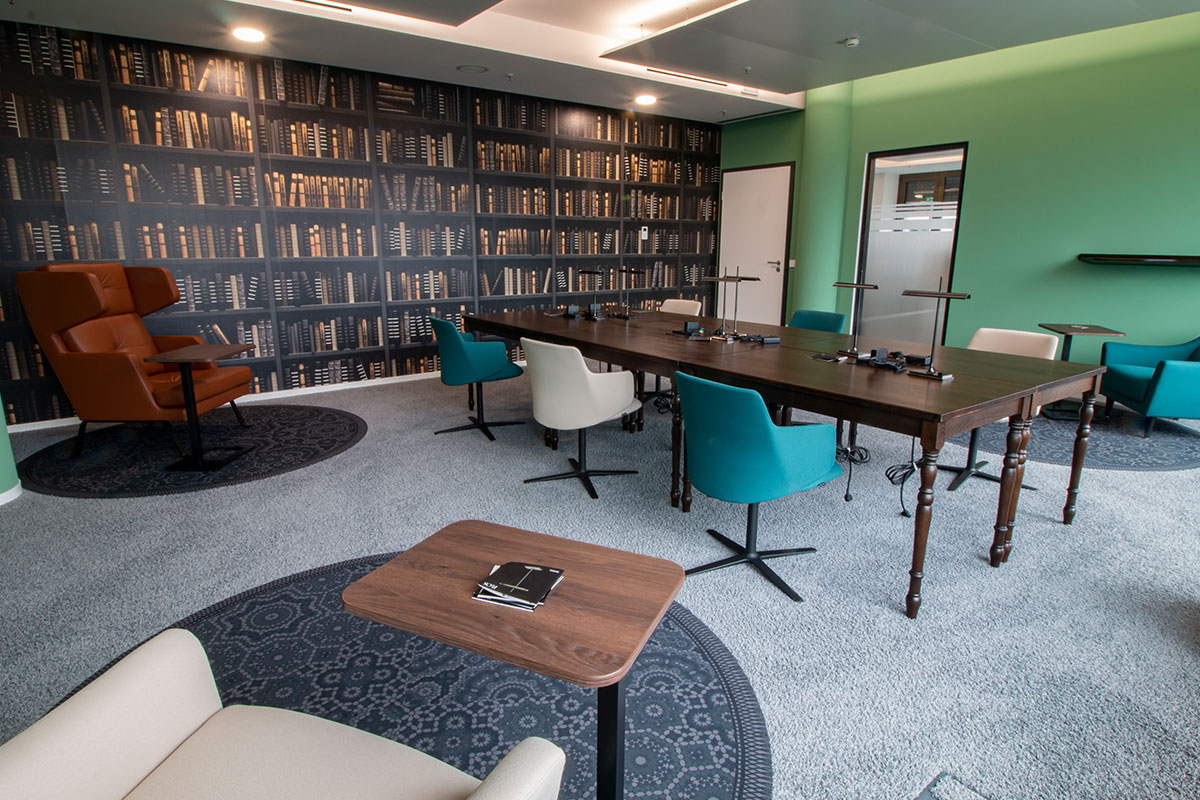
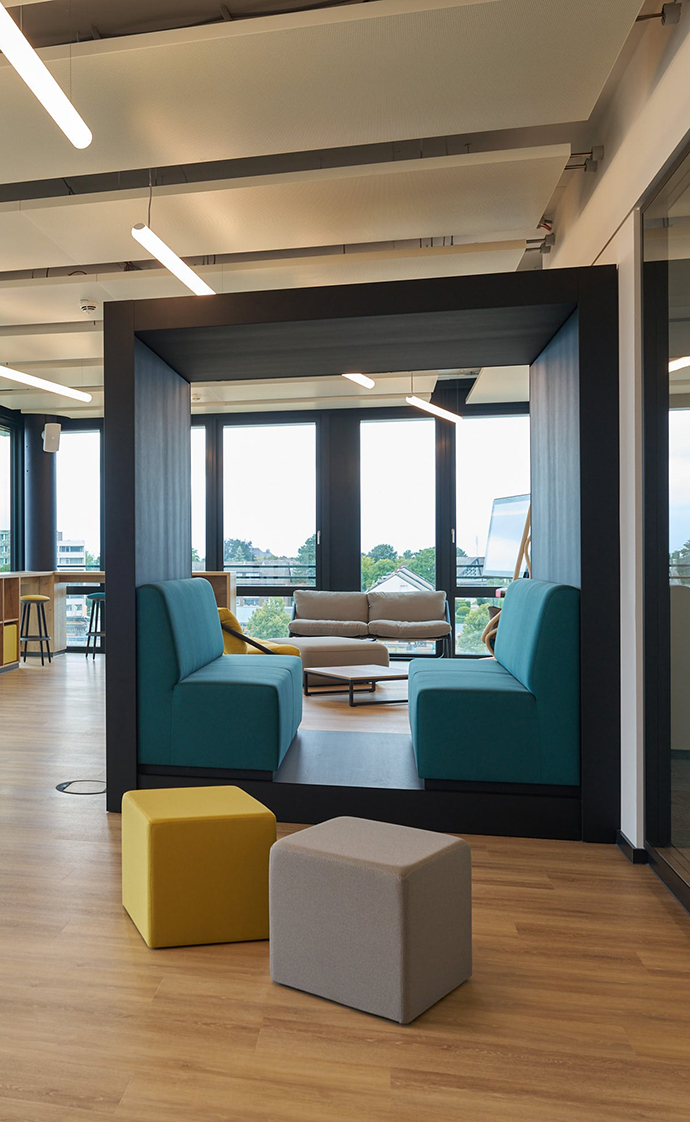
Activity Based Working offers a variety of flexible work areas: quiet zones for focused work, collaborative rooms for meetings, and informal spaces for conversations. Technology-enabled conference rooms support presentations and video calls. Lounge areas encourage relaxation and spontaneous interaction. Free choice of workspace boosts productivity and satisfaction, as employees can switch areas depending on their tasks. This diversity supports different work styles and helps balance individual and team workflows. Activity Based Working creates a modern, adaptable office environment that meets individual needs while strengthening collaboration.
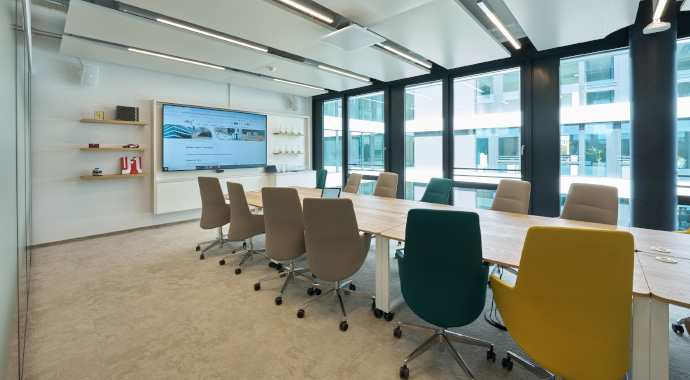
Conference Rooms – place2meet
When designing conference rooms, sufficient space for participants, pleasant lighting, and effective acoustic insulation are critical factors. Equally important is the seamless and discreet integration of technologies such as video conferencing systems and presentation equipment.
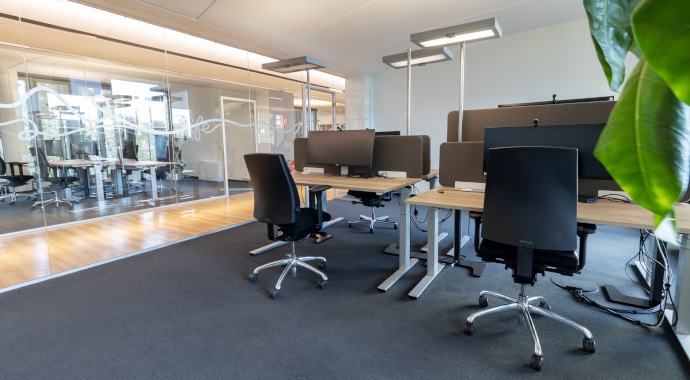
Workstations – place2work
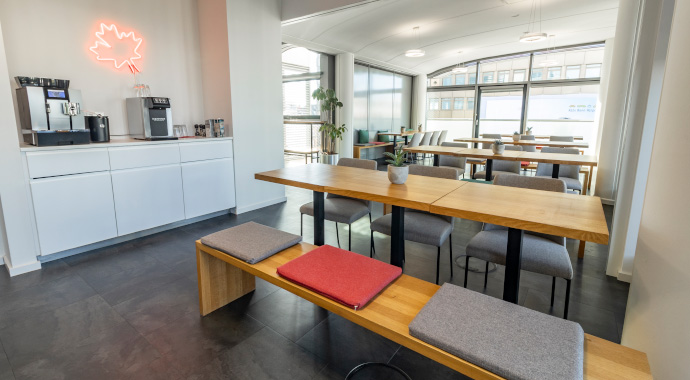
Break Rooms and Kitchens – place2socialize
In designing break rooms and kitchens, a pleasant and comfortable atmosphere is essential. Comfortable seating, modern equipment, and an open layout help create an environment that supports social interaction and enhances employee well-being.
Creative Zones – place2collaborate
Focus rooms – place2focus
Relaxation Rooms – place2relax
Implementing Activity Based Working in Your Office: Step by Step
Successfully introducing an Activity Based Working concept requires a well-thought-out strategy, typically structured into the following steps:
- Needs Analysis: What work styles exist within the company? Which zones are required?
- Technological Equipment: Cloud services, digital communication tools, and paperless processes form the basis for flexible work.
- Spatial Design: Areas for focused individual work, open meetings, and creative teamwork must be thoughtfully combined.
- Employee Involvement: Workshops and feedback sessions help create acceptance and shape a tailored solution.
- Testing & Optimisation: A gradual rollout with continuous evaluation ensures long-term success.
Activity Based Working offers companies the opportunity to design workspaces that are flexible, efficient, and future-proof. Targeted planning and the right technological infrastructure are essential to fully leverage the benefits.
Would you like to implement Activity Based Working in your organisation? Our experts are here to support you in developing a customised office concept. Get in touch for a consultation and help shape the workplace of the future!
Get in Touch – Request a Free Consultation
Let’s shape the future of your workplace together – contact us for personalised advice and planning. We look forward to hearing from you!